
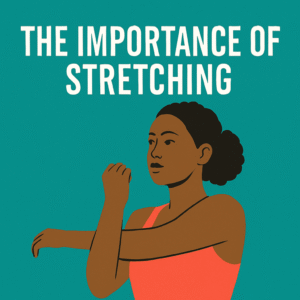
Most people think of stretching as an afterthought. A quick toe touch before a run. A few arm circles before lifting. Or worse, something you skip altogether because you don’t have time.
But here’s the truth: stretching is one of the most overlooked pieces of health and fitness. It’s not just about being flexible or touching your toes—it’s about how your body feels, moves, and ages.
When you understand why stretching matters, it changes everything. You stop seeing it as a “nice-to-have” and start seeing it as a non-negotiable. Let’s dive in.
Stretching Is About More Than Flexibility
The biggest misconception about stretching is that it’s only for people who want to be flexible. Sure, stretching can improve flexibility—but that’s not the whole story.
Stretching helps your muscles move the way they’re supposed to. It keeps your joints healthy. It improves circulation. It even helps reduce stiffness from sitting all day.
Think of it like this: muscles are like rubber bands. If they’re too tight, they snap under pressure. If they’re supple and mobile, they can handle whatever you throw at them.
Why Stretching Matters for Everyday Life
You don’t need to be an athlete to benefit from stretching. In fact, for most people, stretching is more about quality of life than performance.
- Less stiffness: Sitting at a desk all day shortens your hip flexors and tightens your back. Stretching reverses that.
- Better posture: Tight muscles pull your body out of alignment. Stretching brings balance back.
- Reduced aches and pains: A lot of daily discomfort—like tight shoulders, sore backs, or stiff necks—comes from muscles that need to be released.
- Ease of movement: Simple things like bending down, reaching overhead, or walking up stairs feel smoother when your muscles aren’t fighting you.
In short, stretching makes life easier.
Stretching and Performance
If you do exercise regularly, stretching is even more important.
Here’s why: when your muscles move through their full range of motion, you perform better. A looser hip means a stronger squat. Flexible shoulders mean better lifts. Stretching literally gives your body room to grow stronger.
On top of that, stretching before and after training reduces your risk of injury. It preps your muscles for the work ahead and helps them recover afterward. Skipping it is like driving a car without warming up the engine first.
The Longevity Factor
Here’s where stretching really shines.
It’s not just about how you feel today—it’s about how you’ll feel 10, 20, or 30 years from now.
As we age, our muscles naturally lose elasticity. Joints get stiffer. Movements feel harder. This is a big reason older adults struggle with balance, falls, and loss of independence.
But here’s the good news: stretching slows that process down. By keeping your muscles and joints mobile, you’re giving your body a head start on aging well. It’s an investment in staying active and capable for the long run.
How to Make Stretching Work for You
The good news? Stretching doesn’t need to be complicated. You don’t need to spend an hour a day on it. Even 5–10 minutes can make a real difference if you’re consistent.
Here are a few simple tips to get started:
- Make it part of your routine. Stretch in the morning, after your workout, or before bed—whatever works best for you.
- Hold, don’t bounce. A gentle 20–30 second hold is enough to make a difference. Don’t force it.
- Focus on problem areas. If you sit a lot, stretch your hips and back. If you lift, stretch your shoulders and hamstrings.
- Stay consistent. Just like strength training, stretching works best when it’s done regularly.
Why People Skip Stretching (And Why That’s a Mistake)
The main reason people don’t stretch is simple: they don’t feel the benefits immediately. With strength training, you feel the pump. With cardio, you feel the sweat. With stretching, the results are subtle.
But here’s the secret: those subtle results add up. Less stiffness, fewer injuries, better workouts, healthier joints—that’s the payoff. You may not notice it day by day, but over months and years, the difference is massive.
Skipping stretching is like skipping maintenance on your car. You won’t notice the damage right away—but it will show up down the road.
Closing Thoughts
Stretching isn’t just about flexibility—it’s about freedom. The freedom to move without pain. The freedom to perform better. The freedom to age with strength and mobility instead of stiffness and decline.
Most people overlook it because it doesn’t feel urgent. But in reality, it’s one of the most important habits you can build for your health.
So the next time you’re tempted to skip stretching, remember this: it’s not just about touching your toes—it’s about building a body that supports you for life.
Take a few minutes each day. Your future self will thank you.